Can Babies Eat Peas?
By Sarah, founder of SowAndSpoon · Reviewed April 2026
Yes, safe from 6 months
Choking risk: low
Whole round peas can be a choking hazard for young babies. Flatten or mash peas for babies under 9 months. After 9 months, most babies can handle whole peas safely.
Not a common allergen
Peas are one of the few vegetables that deliver real protein, which matters during the 6-to-12-month window when iron and zinc needs spike. Fresh garden peas taste completely different from frozen, and they grow fast enough that your baby can watch them climb the trellis.
Babies can eat peas from 6 months. Peas pack protein, fiber, iron, and vitamins A, C, and K into a tiny package. They are high in protein for a vegetable, which makes them useful in plant-based baby meals.
Flavor guide
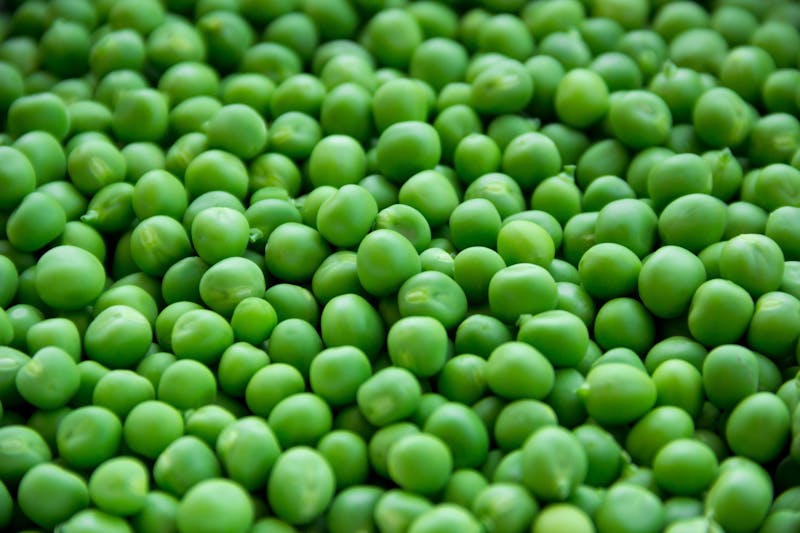
Fresh garden peas have a bright, grassy sweetness with a burst of fresh vegetable flavor when you bite through the thin skin. Frozen peas are a very close match because they are flash-frozen at peak ripeness. Cooking makes them starchy and mild, losing some of their bright vegetal pop but becoming easier to mash and digest. They pair naturally with mint, butter, potato, lemon, ricotta, parmesan, and ham.
How to Prepare Peas by Age
Serve whole fresh or lightly cooked peas - their size and roundness make them a great pincer grip practice food around 8-9 months. Under 8 months, lightly mash a few or offer in a mesh feeder. Snow pea pods can be served whole, steamed soft.
Serving ideas:
- -Mash or flatten peas and spread on a preloaded spoon
- -Blend into a smooth puree with mint or potato
- -Mix mashed peas into baby oatmeal
Whole cooked peas for pincer grip practice. Mix into purees, eggs, or grains.
Serving ideas:
- -Serve lightly smashed peas as finger food
- -Stir into risotto or soft pasta
- -Mix into mashed sweet potato for color contrast
Any preparation. Add to pasta, rice, soups, or serve as a snack.
Serving ideas:
- -Serve whole peas as a self-feeding snack
- -Toss into mac and cheese or fried rice
- -Make pea fritters with egg and a little flour
Common questions
Can babies eat peas?
Yes. Peas are safe for babies from 6 months old. They are high in protein, iron, fiber, and vitamins A, C, and K. The key prep note for young babies is to mash or flatten whole peas before serving, as round whole peas are a choking hazard for babies under 9 months. After 9 months, most babies handle whole cooked peas safely.
Can babies have sugar snap peas?
Yes, with prep adjustments. The peas inside snap pea pods are safe from 6 months when mashed. The pods themselves are fibrous and stringy and should not be served whole to babies under 12 months. For babies 6-9 months, split the pods open and serve the peas inside mashed or smashed. From about 9-11 months, you can offer the whole cooked pod cut into pieces if it is very tender. Remove any tough strings first.
Are peas a choking hazard for babies?
Whole round peas can be a choking hazard for babies under 9 months because their shape can lodge in the throat. The fix is simple: flatten each pea between your fingers before serving or mash them. After 9 months, as babies develop their pincer grasp and more coordinated swallowing, whole cooked peas are generally safe with supervision.
Peas Pairs Well With
For balanced baby meals, try combining peas with:
Can You Freeze Peas for Baby?
Shell the peas. Blanch for 2 minutes, transfer to an ice bath, drain well, then freeze in a single layer before bagging.
Blanch for 2 minutes before freezing. Keeps for up to 12 months.
Batch prep tip
Blanch fresh peas for 2 minutes, cool in ice water, and freeze flat on a baking sheet. Transfer to a bag once frozen. Grab a handful as needed. Keeps 4 months.
Pea and Mint Mash
From 6 monthsIngredients
- -1 cup frozen or fresh peas
- -4 to 5 fresh mint leaves
- -1 tsp unsalted butter
- -2 tbsp water
Steps
- Steam or boil peas for 4 to 5 minutes until completely tender.
- Transfer peas to a bowl or blender with mint leaves, butter, and water.
- Blend smooth for 6-8 months, adding more water if needed for a spoonable consistency.
- For 9 months and older, mash with a fork until mostly smooth with some visible peas remaining.
- Flatten any whole peas before serving to babies under 9 months.
Straining through a fine-mesh sieve removes the skins for the smoothest puree. Skip straining once baby is 9+ months.
Growing Peas at Home
Cool-season crop. Plant early spring or late summer for fall harvest.
Ready in ~60-70 days from planting.
Peas from the garden are sweeter than store-bought because sugar starts converting to starch right after picking. If your baby refused store peas, garden peas are worth another try.
Per AAP and WHO guidelines, most fruits, vegetables, and herbs can be introduced from 6 months as part of complementary feeding. Always consult your pediatrician before introducing new foods, especially allergens.