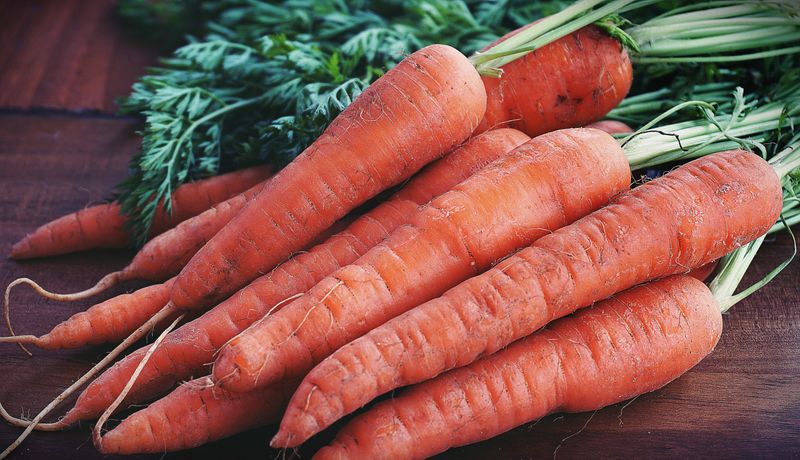
Can Babies Eat Carrots?
By Sarah, founder of SowAndSpoon · Reviewed April 2026
Yes, safe from 6 months
Choking risk: medium
Raw carrots are a top choking hazard for babies. Always cook carrots until very soft before serving. A well-cooked carrot should squish easily between your fingers.
Not a common allergen
Carrots are one of the easiest first vegetables for BLW. They grow well in most gardens, store for months, and babies tend to love the natural sweetness. The key is cooking them soft enough, because raw carrot is one of the top choking hazards for young children.
Babies can eat carrots from 6 months. Carrots are rich in beta-carotene (vitamin A), which supports vision, immune function, and skin health. They also provide fiber, vitamin K, and potassium.
Flavor guide
Raw carrots are crunchy and mildly sweet with a faint bitterness that varies by variety. Roasting concentrates their natural sugars into a rich, caramelized sweetness, while steaming keeps the flavor clean and bright. They pair naturally with butter, ginger, cumin, cinnamon, apple, orange, lentils, and mild soft cheeses.
How to Prepare Carrots by Age
Steam or roast whole until very soft (must be fork-tender all the way through - raw or undercooked carrot is a choking hazard). Serve as whole sticks or halved lengthwise.
Serving ideas:
- -Steam until very soft and serve as thick spear-shaped sticks for gripping
- -Mash with a little butter or olive oil
- -Blend into a smooth puree with sweet potato
Dice into small coins or pieces, well-cooked. Can mix into grains or serve as standalone finger food.
Serving ideas:
- -Dice steamed carrots into small, soft pieces
- -Mix into mashed potato or rice
- -Roast until caramelized and serve as finger food
Roasted, steamed, raw grated (in salads), soups, dips. Raw baby carrots are safe now.
Serving ideas:
- -Grate raw carrot finely into pancake batter
- -Serve roasted carrot sticks with hummus
- -Add to pasta sauce for natural sweetness
Carrots Pairs Well With
For balanced baby meals, try combining carrots with:
Can You Freeze Carrots for Baby?
Peel and cut into coins or sticks. Blanch for 3 minutes, transfer to an ice bath, drain, then freeze in a single layer on a baking sheet before bagging.
Blanch for 3 minutes before freezing. Keeps for up to 12 months.
Batch prep tip
Steam a whole bag of carrots, puree half for younger babies and dice the rest for older ones. Freeze in ice cube trays (puree) or silicone muffin cups (diced). Thaw as needed. Keeps 3 months.
Ginger Carrot Puree
From 6 monthsIngredients
- -4 medium carrots, peeled and sliced into rounds
- -1/4 tsp freshly grated ginger
- -1 tsp unsalted butter or olive oil
- -3 to 5 tbsp water
Steps
- Place carrot rounds in a steamer basket over boiling water.
- Steam for 15 to 18 minutes until completely tender and easy to squish between two fingers.
- Transfer to a blender with ginger, butter, and 3 tablespoons of water.
- Blend until very smooth, adding more water one tablespoon at a time to reach a pourable consistency.
- For 9 months and older, mash with a fork and serve as soft, self-feeding pieces instead.
Freeze in ice cube trays for up to 3 months. Stir into rice, pasta sauce, or lentil soup.
Growing Carrots at Home
Raw carrot is a choking hazard under 12 months. Always cook thoroughly for younger babies.
Ready in ~70-80 days from planting.
Carrots are a reliably popular first vegetable. Their natural sweetness appeals to babies who are hesitant about other vegetables.
Per AAP and WHO guidelines, most fruits, vegetables, and herbs can be introduced from 6 months as part of complementary feeding. Always consult your pediatrician before introducing new foods, especially allergens.