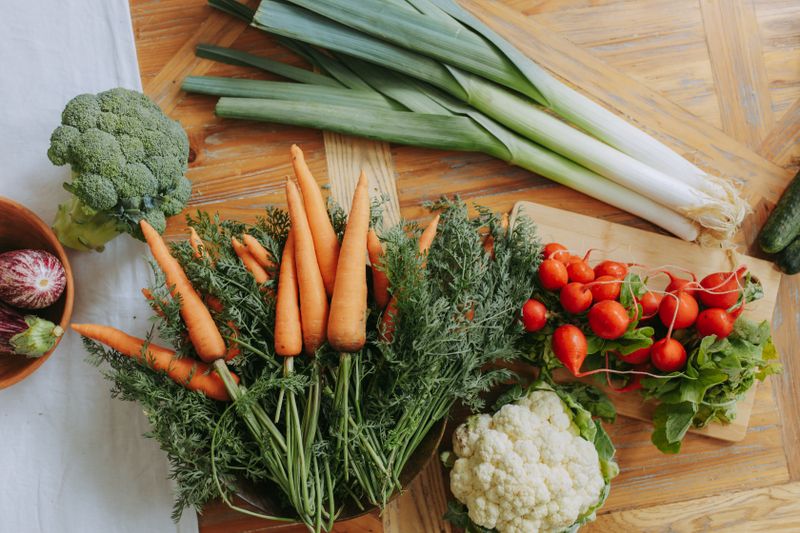
Can Babies Eat Parsnips?
By Sarah, founder of SowAndSpoon · Reviewed April 2026
Yes, safe from 6 months
Choking risk: low
Raw parsnips are too hard for babies. Cook until very soft. Well-roasted or boiled parsnips squish easily and pose very low choking risk.
Not a common allergen
Babies can eat parsnips from 6 months. Parsnips provide fiber, folate, vitamin C, potassium, and manganese. They are sweeter than carrots when roasted and most babies take to them quickly.
Flavor guide
Raw parsnips are dense, starchy, and moderately sweet with a mild, earthy bitterness that some people find pleasant and others find sharp. Roasting dramatically transforms them: the cut edges caramelize into a deep, almost toffee-like sweetness while the center stays creamy and tender. They pair naturally with butter, apple, pear, carrot, ginger, nutmeg, and thyme.
How to Prepare Parsnips by Age
Roast or steam until very soft. Cut into long spears. Naturally sweet, especially after a frost. A wonderful first vegetable.
Serving ideas:
- -Roast or boil until very soft and cut into thick sticks
- -Mash with butter and a pinch of nutmeg
- -Blend into a smooth puree with apple or pear
Dice into small pieces, roasted or steamed. Mash with a little butter for a sweet puree.
Serving ideas:
- -Dice soft-roasted parsnips for self-feeding
- -Mix into mashed potato or sweet potato
- -Stir into a mild soup with carrot
Roasted, mashed, in soups and stews, as fries.
Serving ideas:
- -Roast parsnip fries
- -Add to a root vegetable mash
- -Blend into a creamy parsnip soup
Parsnips Pairs Well With
For balanced baby meals, try combining parsnips with:
Can You Freeze Parsnips for Baby?
Peel and dice. Blanch for 3 minutes, transfer to an ice bath, drain, then freeze in a single layer before bagging. Parsnips freeze exceptionally well.
Blanch for 3 minutes before freezing. Keeps for up to 12 months.
Batch prep tip
Peel, dice, and roast a whole batch. Freeze in portions for purees, finger food, or soup. Keeps 3 months.
Roasted Parsnip and Apple Puree
From 6 monthsIngredients
- -2 medium parsnips, peeled and cut into 1-inch chunks
- -1 medium apple, peeled, cored, and cut into wedges
- -1 tsp olive oil
- -Pinch of ground nutmeg
- -3 to 5 tbsp water
Steps
- Preheat oven to 400 degrees F. Toss parsnips and apple with olive oil on a baking sheet.
- Roast for 25 to 30 minutes, turning halfway, until parsnips are tender and golden at the edges and apple is very soft.
- Transfer to a blender with nutmeg and 3 tablespoons water.
- Blend smooth, adding water one tablespoon at a time until spoonable.
- For 6-8 months, blend until completely smooth. For 9 months and older, mash with a fork and leave some texture.
Freeze in ice cube trays for up to 3 months. A great base to blend stronger-flavored vegetables into.
Growing Parsnips at Home
Sweeter after frost. Long growing season - plan ahead. Often left in the ground until needed.
Ready in ~100-120 days from planting.
Parsnips get sweeter after a frost, so leave them in the ground into late fall for the best baby food flavor. Many babies who reject carrots love parsnips.
Per AAP and WHO guidelines, most fruits, vegetables, and herbs can be introduced from 6 months as part of complementary feeding. Always consult your pediatrician before introducing new foods, especially allergens.