Can Babies Eat Kale?
By Sarah, founder of SowAndSpoon · Reviewed April 2026
Yes, safe from 6 months
Choking risk: low
Raw kale is too tough and fibrous for babies. Always cook until very tender, then chop finely. Well-cooked kale poses very low choking risk.
Not a common allergen
Babies can eat kale from 6 months. Kale provides vitamins A, C, and K, calcium, iron, and antioxidants. It is a good plant-based source of calcium, though babies would need to eat it regularly alongside other calcium sources to meet their needs.
Flavor guide
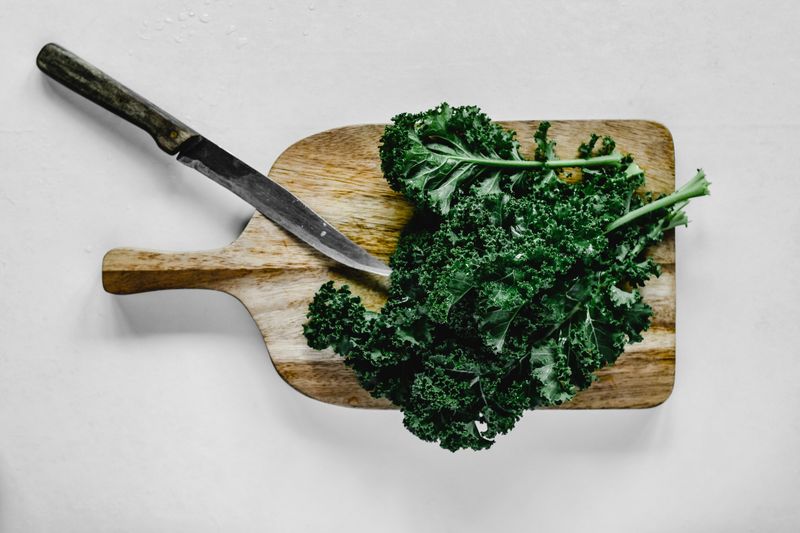
Raw kale is tough, fibrous, and distinctly bitter with a grassy, slightly mineral edge that makes it unsuitable for babies. Cooking transforms it: sauteing or steaming until very tender removes the bitterness and leaves a mild, earthy, savory flavor with a soft, easily mashed texture. It pairs naturally with garlic, lemon, olive oil, white beans, eggs, pasta, and sweet potato.
How to Prepare Kale by Age
Strip leaves from tough stems. Steam or sauté until very soft. Finely chop and mix into other foods. Not a standalone food at this stage.
Serving ideas:
- -Steam or saute until very tender and blend into a puree with sweet potato or banana.
- -Mix finely chopped cooked kale into mashed avocado with a squeeze of lemon to boost iron absorption.
- -Blend with white beans, olive oil, and a tiny pinch of garlic for a dark leafy green puree that pairs iron with plant-based protein.
Well-cooked, finely chopped. Mix into eggs, grains, or pasta.
Serving ideas:
- -Chop cooked kale finely and mix into scrambled eggs
- -Stir into mac and cheese or pasta
- -Add to a mild soup or broth
Chips, sautéed, in soups, pasta, smoothies. Very flexible.
Serving ideas:
- -Make kale chips (bake with olive oil until crispy)
- -Blend into smoothies with fruit
- -Add to quesadillas, omelets, or fried rice
Kale Pairs Well With
For balanced baby meals, try combining kale with:
Can You Freeze Kale for Baby?
Strip leaves from stems. Blanch for 3 minutes, transfer to an ice bath, squeeze out excess water, then freeze in portions. Best used cooked from frozen.
Blanch for 3 minutes before freezing. Keeps for up to 12 months.
Batch prep tip
Strip kale from stems, blanch for 2 minutes, squeeze dry, and freeze in ice cube-sized balls. Drop a kale cube into smoothies, pasta, eggs, or soups. Keeps 4 months.
Kale and White Bean Puree
From 6 monthsIngredients
- -2 large kale leaves, stems removed
- -1/2 cup canned white beans, drained and rinsed
- -1 tsp olive oil
- -1 tbsp water or unsalted vegetable broth
Steps
- Bring a small pot of water to a boil. Add kale leaves and cook for 5 to 6 minutes until very tender and dark green.
- Drain kale and squeeze out excess water. Chop roughly.
- Combine kale, white beans, olive oil, and water in a blender or food processor.
- Blend until smooth, adding a splash more water to reach desired consistency.
- For 6-8 months, serve as a smooth puree on a preloaded spoon. For 9 months and older, leave slightly textured.
White beans add plant-based iron and protein. A squeeze of lemon juice over the finished puree increases iron absorption.
Growing Kale at Home
Frost-hardy - often sweetens after a frost. Can harvest through fall and into winter in mild climates.
Ready in ~55-75 days from planting.
Kale grows in cool weather when most other greens have bolted. You can harvest outer leaves all season while the plant keeps producing. It actually gets sweeter after a frost.
Per AAP and WHO guidelines, most fruits, vegetables, and herbs can be introduced from 6 months as part of complementary feeding. Always consult your pediatrician before introducing new foods, especially allergens.