Can Babies Eat Asparagus?
By Sarah, founder of SowAndSpoon · Reviewed April 2026
Yes, safe from 6 months
Choking risk: low
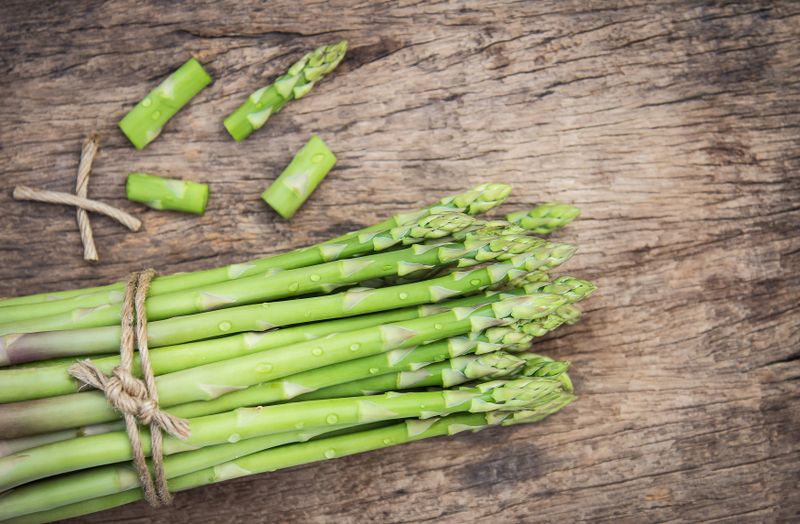
Asparagus spears are a natural finger food shape. Cook until the tip is soft and the stalk bends easily. Woody ends should be snapped off.
Not a common allergen
Babies can eat asparagus from 6 months. Asparagus is high in folate, vitamin K, vitamin A, and fiber. It also contains prebiotic fiber that supports healthy gut bacteria.
Flavor guide
Raw asparagus is grassy and slightly bitter with a firm, squeaky crunch. Steaming or roasting transforms it: the bitterness fades and a sweet, savory flavor emerges with a tender, yielding texture when fully cooked. It pairs naturally with butter, lemon, parmesan, egg, olive oil, and garlic.
How to Prepare Asparagus by Age
Roast or steam until very soft. Serve whole spear - the stalk makes a natural handle. Tip should be completely tender.
Serving ideas:
- -Steam until very tender and serve whole spears for gnawing
- -Puree tips with potato or pear
- -Mash soft asparagus tips onto a preloaded spoon
Cut into bite-sized pieces, well cooked. Tips are especially soft and easy.
Serving ideas:
- -Cut soft-cooked spears into small pieces
- -Mix chopped asparagus into scrambled eggs or pasta
- -Stir into risotto
Roasted, steamed, in pasta, stir-fries. Any preparation.
Serving ideas:
- -Roast spears with olive oil and parmesan
- -Add to omelets, quiches, or frittatas
- -Serve alongside dips
Can You Freeze Asparagus for Baby?
Trim woody ends. Blanch spears for 3 minutes, transfer to an ice bath, drain, then freeze in a single layer before bagging.
Blanch for 3 minutes before freezing. Keeps for up to 12 months.
Steamed Asparagus Spears with Lemon Butter
From 6 monthsIngredients
- -6 asparagus spears, woody ends snapped off
- -1 tsp unsalted butter
- -1 tsp fresh lemon juice
Steps
- Steam asparagus spears for 6 to 8 minutes until the stalks bend easily and the tips are very tender.
- Remove from heat and toss with butter and lemon juice.
- For 6-8 months, serve whole spears as natural finger food handles for gnawing.
- For 9 months and older, cut into small pieces for self-feeding.
Asparagus does not freeze well for finger food but can be blended into a puree with potato and frozen for 3 months.
Growing Asparagus at Home
Takes 2-3 years to establish before full harvest. A long-term garden investment - worth it.
Ready in ~730-1095 days from planting.
Asparagus is a perennial, meaning you plant it once and harvest for 15-20 years. The initial wait (2 years to first harvest) is worth it for decades of spring harvests.
Per AAP and WHO guidelines, most fruits, vegetables, and herbs can be introduced from 6 months as part of complementary feeding. Always consult your pediatrician before introducing new foods, especially allergens.