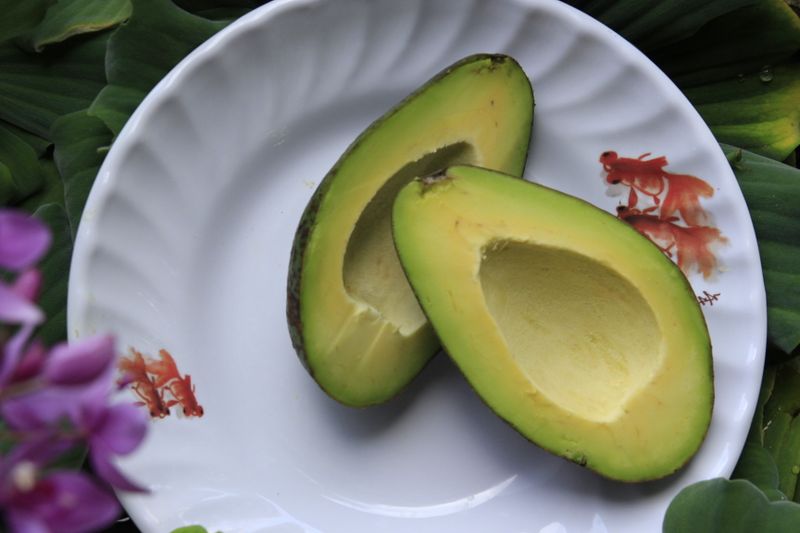
Can Babies Eat Avocado?
By Sarah, founder of SowAndSpoon · Reviewed April 2026
Yes, safe from 6 months
Choking risk: low
Ripe avocado is very soft and low risk. The main hazard is the slippery texture. Serve in thick spears so baby can grip, or mash onto a spoon. A slightly firmer avocado is actually easier for young babies to self-feed than a very ripe, slippery one.
Not a common allergen
Avocado is the single best first food for brain development. It is calorie-dense, packed with healthy fats, and requires zero cooking. A ripe avocado and a fork is a complete meal for a 6-month-old.
Babies can eat avocado from 6 months. Avocado is rich in monounsaturated fats critical for brain development, plus potassium, folate, vitamin E, and vitamin K. The fat content also helps absorb fat-soluble vitamins from other foods eaten alongside it.
Flavor guide
Ripe avocado has a rich, buttery flavor with subtle grassiness and almost no bitterness. The texture shifts from slightly firm and waxy when underripe to deeply creamy and smooth when perfectly ripe. It pairs naturally with lemon, lime, cilantro, tomato, and eggs.
How to Prepare Avocado by Age
Halve, remove pit, scoop the flesh. Mash with a fork until smooth, no cooking needed. Mix with a splash of breast milk or formula to thin. One of the safest and most nutritious first foods.
Serving ideas:
- -Cut a ripe avocado into thick finger-length spears with skin on as a grip handle
- -Mash smooth with a fork and serve on a preloaded spoon
- -Mash with a squeeze of lemon or lime and mix into sweet potato puree
Soft cubes about 1/4 inch. Ripe avocado needs no cooking and holds its shape well for pincer grip. Roll pieces in hemp seeds or baby oatmeal for extra grip if too slippery.
Serving ideas:
- -Dice into chickpea-sized cubes for pincer grasp practice
- -Spread mashed avocado on toast strips with a sprinkle of hemp seeds for extra iron
- -Mix diced avocado into soft scrambled eggs
Sliced, cubed, or spread on toast. Mix into scrambled eggs. Use as a dip for steamed veggies.
Serving ideas:
- -Make simple guacamole (avocado, lime, cilantro) as a dip with soft tortilla strips
- -Spread on toast and top with quartered cherry tomatoes
- -Slice and add to tacos, grain bowls, or alongside any meal
Common questions
Can babies eat raw avocado?
Yes. Raw avocado is one of the few raw foods that is safe and ideal for babies from 6 months. No cooking required. A ripe avocado is soft enough to mash easily with a fork or gum without teeth. Cut into thick spears with the skin on as a grip handle, or mash onto a preloaded spoon. Avocado is rich in healthy fats that support brain development and help absorb fat-soluble vitamins from other foods.
Can I give my baby unripe avocado?
No. Unripe avocado is too hard and poses a choking risk. It also has a bitter, astringent flavor babies generally refuse. Always choose a ripe avocado that gives gently when pressed. A ripe avocado mashes between your fingers with light pressure, which is also a good proxy for whether it is soft enough to serve safely.
How do I cut avocado for a 6 month old?
Cut the avocado in half lengthwise and remove the pit. Score the flesh into thick finger-width spears, then scoop each spear out with a large spoon, keeping the skin on one end as a grip handle. The baby holds the skin end and gnaws the flesh. Alternatively, mash the flesh smooth with a fork and serve on a preloaded spoon or spread on soft toast strips.
Avocado Pairs Well With
For balanced baby meals, try combining avocado with:
Can You Freeze Avocado for Baby?
Mash ripe flesh with a squeeze of lemon juice to prevent browning. Freeze in ice cube trays, then bag the cubes. Thaw in the fridge and use within 24 hours. Best mixed into other foods after freezing, texture changes slightly.
Batch prep tip
Avocado browns quickly. Mash only what you need per meal and press plastic wrap directly on the surface to slow oxidation. Freeze mashed avocado in ice cube trays with a squeeze of lemon juice. Keeps 2 months (texture changes slightly but is fine for mixing into other foods).
Avocado Mash with Lemon
From 6 monthsIngredients
- -1 ripe avocado
- -1 tsp fresh lemon juice
Steps
- Halve the avocado, remove the pit, and scoop flesh into a bowl.
- Add lemon juice and mash with a fork to a smooth, spreadable consistency.
- For 6-8 months, serve on a preloaded spoon or as thick wedges with skin on as a grip.
- For 9 months and older, dice into small cubes for pincer grasp practice.
Prepare just before serving. If making ahead, press plastic wrap directly onto the surface to slow browning.
Growing Avocado at Home
One of the top recommended first foods, high in healthy fats for brain development. Only use fully ripe avocados (they give to gentle pressure). Unripe avocados are too firm and bitter. Tree crops take 3-5 years to bear fruit from seed; buy a grafted transplant for earliest harvest.
Ready in ~180-270 days from planting.
Avocado is the most nutrient-dense first food for brain development. It is rich in oleic acid, the same monounsaturated fat that is the primary fat in breast milk. If you are growing avocados in a warm climate, harvest when the skin darkens and the fruit gives slightly to pressure.
Per AAP and WHO guidelines, most fruits, vegetables, and herbs can be introduced from 6 months as part of complementary feeding. Always consult your pediatrician before introducing new foods, especially allergens.