Can Babies Eat Banana?
By Sarah, founder of SowAndSpoon · Reviewed April 2026
Yes, safe from 6 months
Choking risk: low
Ripe banana is very soft and low risk. However, large chunks can be swallowed whole. Serve in age-appropriate sizes and avoid large round discs. Very unripe bananas are harder and starchier, which can be difficult for young babies.
Not a common allergen
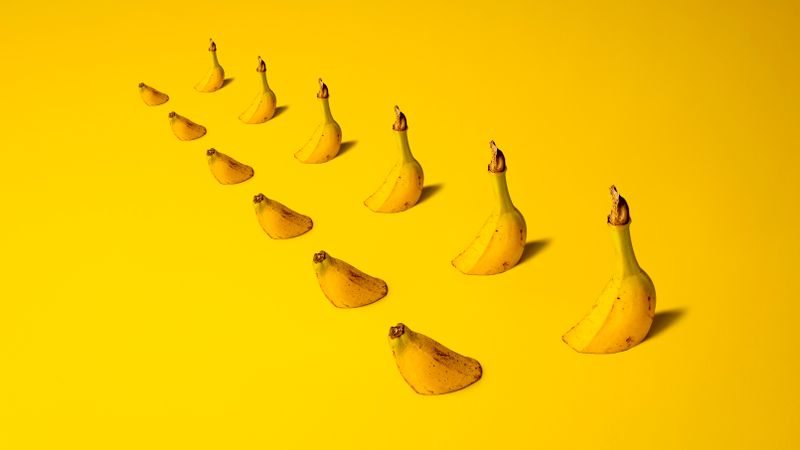
Bananas are the easiest no-cook food for BLW. A ripe banana splits naturally into three spears along its seams, which is the perfect size and shape for a 6-month-old to grip. The only trick is ripeness: too green and it is hard to gum, too brown and it falls apart.
Babies can eat banana from 6 months. Bananas provide potassium, vitamin B6, vitamin C, and fiber. They are also a good source of resistant starch (especially in less-ripe bananas), which acts as a prebiotic for gut health. The riper the banana, the higher the sugar content and the softer the texture.
Flavor guide
Ripe banana has a sweet, tropical flavor with faint vanilla-like undertones that intensify as it ripens. The texture goes from firm and starchy when green to soft, creamy, and almost custard-like when fully ripe with brown spots. It pairs naturally with cinnamon, peanut butter, oats, yogurt, and berries.
How to Prepare Banana by Age
Peel and mash with a fork until completely smooth. For self-feeding, offer a half-banana with the peel left on the bottom half as a natural handle, it's grippy and baby can gnaw the exposed end.
Serving ideas:
- -Peel halfway and offer the whole banana as a self-feeding tool (the peel acts as a grip)
- -Mash ripe banana and serve on a preloaded spoon, mixed with a thin smear of smooth peanut butter (thinned with water or breast milk) for allergen introduction and iron
- -Banana spear trick: peel the banana, then gently squeeze it between your thumb and finger. Rotate and do it again. The banana will split along its natural seams into 3 long spears. Pull them apart. Each one fits a baby fist with better grip than a knife-cut round
The banana spear trick
Small soft pieces or thin rounds. Banana is very slippery, rolling pieces in hemp seeds or baby oatmeal improves grip significantly. Great pincer grip practice.
Serving ideas:
- -Cut into chickpea-sized pieces for pincer grasp practice
- -Mash with a fork and stir into oatmeal or yogurt with berries
- -Freeze in pieces and blend into a one-ingredient "nice cream"
Any family preparation, sliced, whole fingers, blended into smoothies, or frozen as popsicles.
Serving ideas:
- -Slice and serve with nut butter for dipping
- -Blend into smoothies as a natural sweetener
- -Make 2-ingredient banana oat pancakes (1 banana, 1 egg, mashed together and pan-fried)
Common questions
How do I feed banana to a 6 month old?
Cut the banana in half crosswise, peel back part of the skin on one half to leave a skin "handle," and let baby gnaw on the exposed flesh. The skin prevents them from putting too much in at once. You can also mash ripe banana smooth with a fork and serve on a preloaded spoon. Banana is very soft, requires no cooking, and is easy for self-feeding.
Is banana a choking hazard for babies?
Ripe banana is soft, easily gummed, and low choking risk. Underripe banana is firmer and slightly stickier, which can be harder to manage. Always choose a ripe banana: it should be fully yellow with some brown speckles for the best texture and sweetness. Avoid thick round coin cuts, which can be harder to swallow than spears or mashed.
Can babies eat banana every day?
Yes, banana is safe to eat daily. There are no safety concerns with regular banana consumption for babies. Some parents worry about constipation, but this is more often associated with unripe banana. Ripe banana actually provides soluble fiber that supports healthy digestion. If you are serving banana daily, pair it with a variety of other fruits and vegetables to ensure nutritional diversity.
Can You Freeze Banana for Baby?
Peel and freeze whole or sliced on a tray, then bag. Frozen bananas blend into silky smoothies and 'nice cream.' Thaw slightly before serving as a soft finger food.
Batch prep tip
Peel very ripe bananas, slice, and freeze flat on a baking sheet. Transfer to a bag. Use frozen in smoothies, thaw for mashing, or blend straight from frozen into nice cream. Keeps 3 months.
Banana Oat Porridge
From 6 monthsIngredients
- -3 tbsp rolled oats
- -1/2 ripe banana
- -1/2 cup water
- -1 tsp unsalted butter
Steps
- Combine oats and water in a small saucepan over medium heat.
- Cook, stirring frequently, for 4 to 5 minutes until oats are thick and fully softened.
- Remove from heat, stir in butter, and mash banana directly into the oats.
- Mix well until banana is fully incorporated and texture is smooth and spoonable.
- Let cool slightly and check temperature before serving.
For 6-8 months, blend smooth. For older babies, leave with visible soft oat and banana texture. Does not freeze well; best made fresh.
Growing Banana at Home
One of the easiest first foods, no cooking, no prep beyond peeling. High in potassium and natural sugars. Grows in containers in warm climates (try Dwarf Cavendish or Dwarf Namwah). Needs 10+ gallon pot, consistent moisture, and warmth. Most gardeners in cooler climates will buy rather than grow bananas.
Ready in ~270-365 days from planting.
Overripe bananas with brown spots are sweeter and easier to mash, making them ideal for young babies. The starch has converted to sugar, which is also why they brown: perfectly fine and nutritious.
Per AAP and WHO guidelines, most fruits, vegetables, and herbs can be introduced from 6 months as part of complementary feeding. Always consult your pediatrician before introducing new foods, especially allergens.