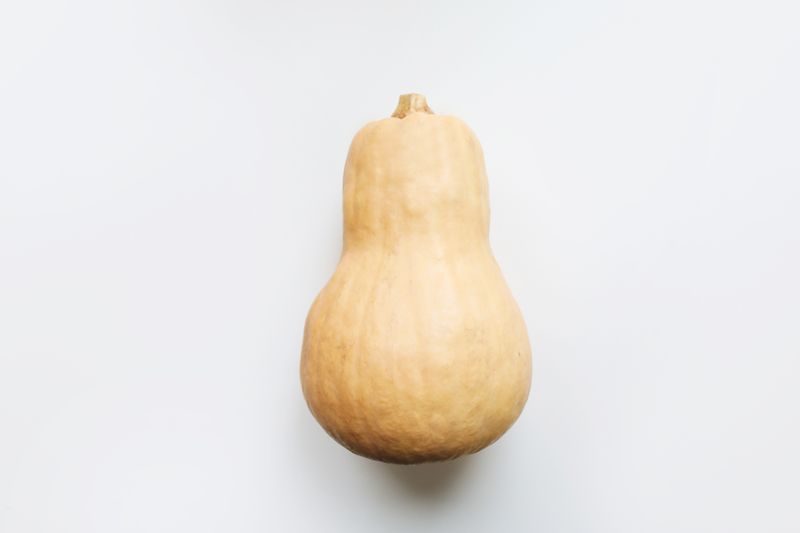
Can Babies Eat Butternut Squash?
By Sarah, founder of SowAndSpoon · Reviewed April 2026
Yes, safe from 6 months
Choking risk: low
Raw butternut squash is too hard for babies. Always cook until very soft. Well-roasted or steamed butternut squash poses very low choking risk.
Not a common allergen
Babies can eat butternut squash from 6 months. Butternut squash provides vitamin A (beta-carotene), vitamin C, potassium, and fiber. The creamy texture and mild sweetness make it a reliably popular first food.
Flavor guide
Raw butternut squash is starchy, dense, and mildly sweet with a faint nuttiness. Roasting transforms it completely: the natural sugars caramelize at the cut edges, deepening the sweetness and adding a rich, nutty depth, while the flesh turns silky and smooth. It pairs naturally with butter, cinnamon, nutmeg, sage, apple, pear, and mild cheeses.
How to Prepare Butternut Squash by Age
Roast until very soft. Cut into thick spears. Naturally sweet and easy to gum. One of the best first vegetables.
Serving ideas:
- -Roast until very soft and serve as thick sticks alongside ground beef crumbles or shredded dark chicken for an iron pairing
- -Mash with a spoonful of full-fat ricotta and a pinch of cinnamon for a protein and fat-rich base (dairy is a top allergen, introduce separately first)
- -Blend roasted butternut with cooked red lentils and a drizzle of olive oil for a smooth, iron-rich puree
Dice into small cubes, roasted or steamed. Can be mashed into a thick puree or served as finger food.
Serving ideas:
- -Dice roasted butternut for self-feeding
- -Mix into risotto or pasta
- -Stir into oatmeal for natural sweetness
Soup, pasta sauce, roasted cubes, stuffed - extremely versatile.
Serving ideas:
- -Roast butternut fries
- -Blend into a creamy soup with sage
- -Add to mac and cheese for hidden nutrition
Common questions
Can babies eat butternut squash?
Yes. Butternut squash is safe for babies from 6 months old. Cook until very soft by roasting, steaming, or boiling. The flesh should mash easily with a fork. Its natural sweetness and creamy texture make it one of the most popular first foods for both purees and baby-led weaning.
Is butternut squash a good first food?
Yes, butternut squash is one of the best first foods. It is naturally sweet, easy to digest, smooth when pureed, and rich in vitamin A. Most babies accept it readily. It works well as a standalone puree or blended with apple, pear, or cinnamon for variety.
Can butternut squash cause orange skin in babies?
Yes. Eating a lot of butternut squash (or any orange vegetable high in beta-carotene) can cause carotenemia, a harmless condition where the skin takes on a yellowish-orange tint. It is most visible on the palms, soles, and nose. It is not dangerous and resolves on its own once you vary the diet. It is not jaundice, which affects the whites of the eyes.
Can You Freeze Butternut Squash for Baby?
Roast until soft. Scoop flesh, let cool, then freeze flat in bags or in ice cube trays. One of the best squashes for freezing.
Batch prep tip
Peel, cube, and roast a whole butternut squash. Freeze in portions. Thaw for purees, soups, pasta sauces, or finger food. Keeps 3 months.
Roasted Butternut Squash Puree
From 6 monthsIngredients
- -1 small butternut squash (about 2 lbs)
- -1 tbsp unsalted butter or olive oil
- -1/4 tsp ground cinnamon
- -2 to 4 tbsp water or unsalted vegetable broth
Steps
- Preheat oven to 400 degrees F. Halve the squash lengthwise and scoop out seeds.
- Brush cut sides with butter or olive oil and place cut-side down on a lined baking sheet.
- Roast for 40 to 50 minutes until flesh is completely tender and a fork slides in without resistance.
- Scoop flesh into a blender or food processor.
- Add cinnamon and blend, adding water or broth one tablespoon at a time until smooth and spoonable.
- For 9 months and older, mash with a fork and leave slightly chunky for texture practice.
Freeze in ice cube trays for up to 3 months. Stir a cube into oatmeal, pasta sauce, or risotto.
Growing Butternut Squash at Home
Stores well after harvest - you'll have it for months. A great fall crop for fall babies.
Ready in ~75-110 days from planting.
Like acorn squash, butternut stores well for months. Grow a couple of vines and you will have baby food well into winter.
Per AAP and WHO guidelines, most fruits, vegetables, and herbs can be introduced from 6 months as part of complementary feeding. Always consult your pediatrician before introducing new foods, especially allergens.