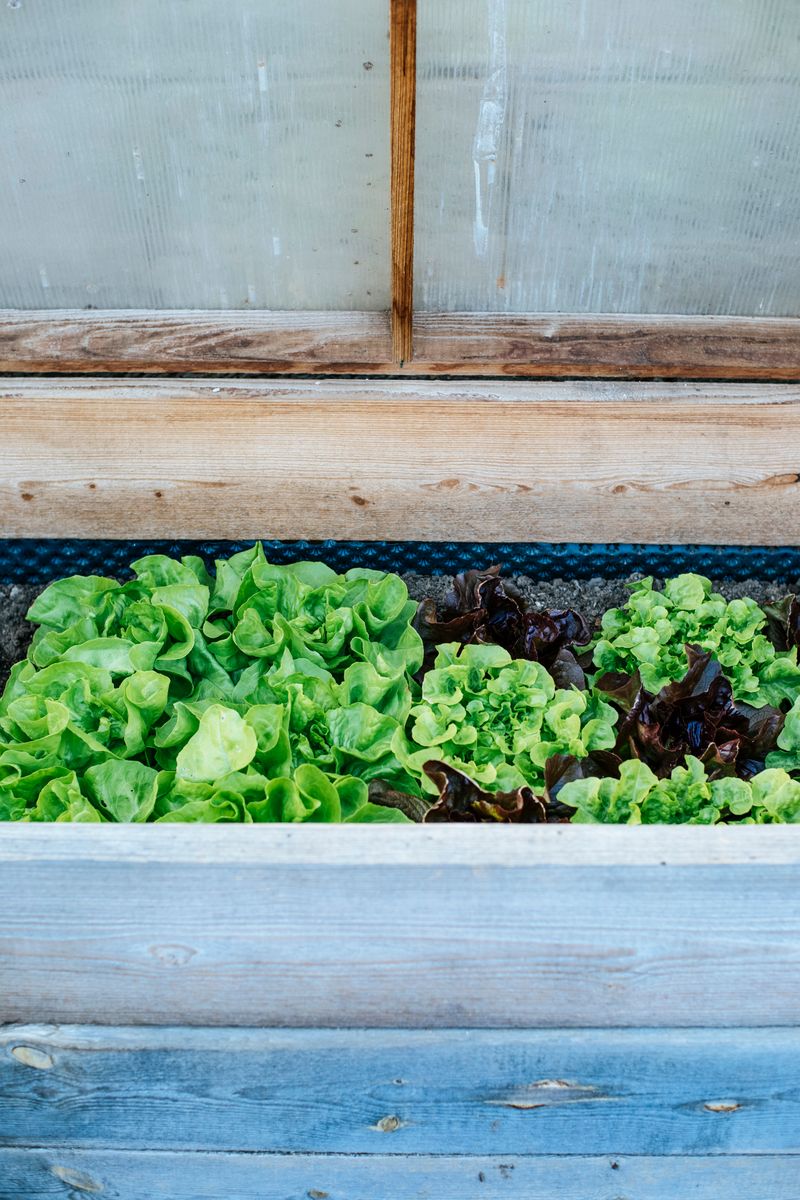
Can Babies Eat Butterhead Lettuce?
By Sarah, founder of SowAndSpoon · Reviewed April 2026
Yes, safe from 9 months
Choking risk: low
Soft butterhead leaves are thin and low risk. The main concern is a large leaf sticking to the roof of the mouth or wrapping around the throat. Tear into small pieces or chop finely for younger babies.
Not a common allergen
Babies can eat butterhead lettuce from 9 months. Butterhead lettuce (Bibb or Boston) provides vitamin A, vitamin K, folate, and potassium. Its soft, tender leaves are higher in nutrients than iceberg and have a mild, buttery flavor that most babies tolerate well.
Flavor guide
Butterhead lettuce has delicate, tender leaves with a soft, almost creamy texture and a mild, slightly sweet flavor with no bitterness. Unlike romaine or iceberg, it wilts quickly when warmed and blends almost invisibly into soft bases. It pairs naturally with lemon, olive oil, soft cheeses, cucumber, chicken, and grains.
How to Prepare Butterhead Lettuce by Age
Soft, tender leaves torn small. The butter texture is easier for babies than crisphead varieties. Introduce with other foods.
Serving ideas:
- -Tear into small pieces and use as a soft wrap for ground chicken or soft beans
- -Chop finely and stir into soft scrambled eggs
- -Mix into tabbouleh-style grain salads with soft couscous
Wraps, salads, sandwiches.
Serving ideas:
- -Use whole leaves as baby taco or wrap shells
- -Tear and add to soft sandwiches
- -Serve as part of a simple side salad with soft toppings
Common questions
Can babies eat lettuce?
Yes. Soft lettuce varieties like butterhead (Bibb or Boston) are safe for babies from 6 months. The leaves are thin and tender, making them one of the lowest choking risk greens. For babies 6-8 months, chop finely or wilt and blend into purees. From 9 months, small torn pieces work as wraps or finger food. Avoid crisp varieties like iceberg or romaine for young babies, as they are tougher to chew.
Is lettuce nutritious enough for babies?
Lettuce is not a high-calorie or nutrient-dense food. Butterhead lettuce provides vitamin A, vitamin K, folate, and potassium, but in small amounts compared to darker greens like spinach or kale. Its value for babies is texture exposure and flavor variety, not as a primary nutrition source. Pair with nutrient-dense foods like chicken, beans, avocado, or cheese to make it part of a balanced meal.
Chicken and Yogurt on Butter Lettuce
From 9 monthsIngredients
- -2 large butterhead lettuce leaves
- -1/4 cup cooked ground chicken or finely shredded chicken
- -2 tbsp plain whole milk yogurt
- -1 tsp fresh lemon juice
Steps
- Combine chicken, yogurt, and lemon juice in a small bowl and mix well.
- Tear each lettuce leaf into 2 to 3 manageable pieces.
- Spoon a small amount of chicken mixture onto each lettuce piece and serve open-faced.
- For 9-11 months, tear into bite-sized pieces with filling for self-feeding.
The yogurt keeps the chicken moist and adds calcium. Swap chicken for soft white beans for a plant-based version.
Growing Butterhead Lettuce at Home
Very tender leaves. Best as a spring or fall crop - bolts in summer heat.
Ready in ~55-65 days from planting.
Butterhead lettuce is one of the quickest crops in the garden (35-45 days) and grows beautifully in containers. Cut outer leaves and the head keeps producing. It bolts quickly in heat, so grow in spring or fall.
Per AAP and WHO guidelines, most fruits, vegetables, and herbs can be introduced from 6 months as part of complementary feeding. Always consult your pediatrician before introducing new foods, especially allergens.