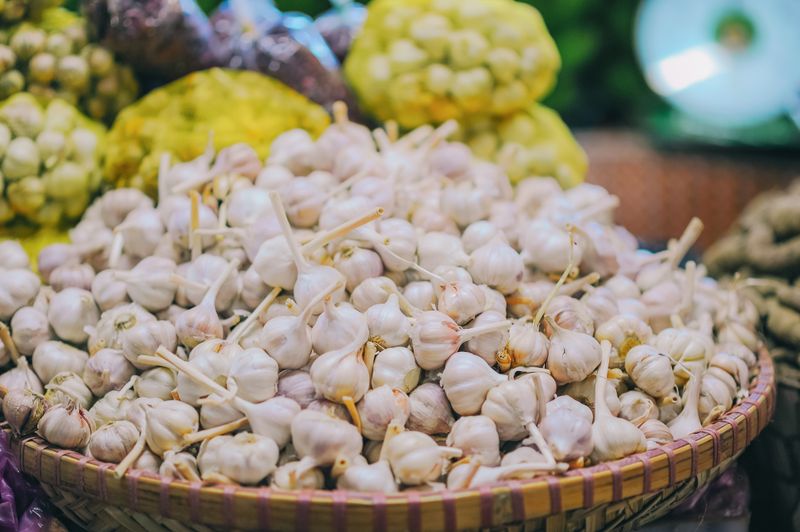
Can Babies Eat Garlic?
By Sarah, founder of SowAndSpoon · Reviewed April 2026
Yes, safe from 6 months
Choking risk: low
Raw garlic cloves are too hard and pungent for babies. Always cook garlic thoroughly. Roasted or sauteed garlic is soft and mild, posing very low choking risk when mashed or mixed in.
Not a common allergen
Babies can eat garlic from 6 months. One clove of garlic provides 2% of the daily value of manganese, vitamin B6, and vitamin C (USDA FoodData Central). It also contains allicin, a sulfur compound studied for its antimicrobial properties. Small amounts add big flavor to baby meals.
Flavor guide
Raw garlic is intensely sharp, pungent, and sulfurous, with a heat that lingers. Cooking transforms it dramatically: sauteing produces a warm, savory depth, while slow roasting turns the cloves sweet, nutty, and almost caramel-like with no sharpness at all. It pairs naturally with olive oil, lemon, tomato, white beans, potato, broccoli, and butter.
How to Prepare Garlic by Age
Use as a flavor ingredient - roast a whole head and spread the soft cloves into purees or soft foods. Adds flavor without being overpowering when roasted.
Serving ideas:
- -Roast a whole head of garlic at 375F until the cloves are soft and golden, about 40 minutes. Squeeze a small amount into any puree for mellow, sweet garlic flavor with no sharpness.
- -Drop a peeled clove into the cooking water when steaming vegetables. It infuses a subtle savory note that starts building your baby's palate without any harsh raw garlic bite.
- -Blend one roasted clove into white bean puree with olive oil for a simple, iron-rich spread with real depth.
Roasted garlic spread on toast, mixed into soft foods. Raw garlic is too strong.
Serving ideas:
- -Mix a small amount of minced sauteed garlic into pasta, rice, or scrambled eggs.
- -Add to tomato sauces, lentil soups, or mild curries as a foundational flavor.
- -Blend a roasted clove into mashed avocado with lemon juice for a savory spread on soft toast.
Any preparation. A staple flavor in family cooking.
Serving ideas:
- -Use as a seasoning in any cooked dish
- -Spread roasted garlic on toast
- -Add to stir-fries, curries, and marinades
Common questions
Can babies eat garlic?
Yes. Cooked garlic is safe for babies from 6 months old. It is not a top allergen and poses no choking risk when soft and mixed into food. The key word is cooked: raw garlic is too sharp, pungent, and hard for young babies. Roasted, sauteed, or simmered garlic is mild and digestible. Start with small amounts mixed into foods like mashed vegetables, lentils, or pasta.
Can babies eat raw garlic?
No. Raw garlic is not appropriate for babies. It is intensely pungent, can cause irritation to a baby's sensitive digestive system, and the hard texture poses a choking risk. Always cook garlic thoroughly before offering it. Roasting produces the mildest, sweetest result. Even for toddlers over 12 months, raw garlic in large amounts is too harsh.
Is garlic safe for a 6 month old?
Yes, cooked garlic is safe from 6 months. Add a small amount of sauteed or roasted garlic to purees, mashed vegetables, lentils, or soft pasta. Start with a pinch and work up from there. Garlic is not a top 9 allergen, so no special introduction protocol is needed.
Is garlic good for babies?
Garlic provides manganese, vitamin B6, vitamin C, and allicin. Beyond nutrients, early exposure to savory, complex flavors like garlic supports a more varied palate. A 2011 study in the American Journal of Clinical Nutrition by Mennella et al. found that babies exposed to a variety of flavors during complementary feeding accepted new vegetables more readily at follow-up. The AAP recommends offering a wide range of flavors from 6 months. Garlic adds depth to simple baby meals.
Can a 1 year old have garlic?
Yes, and by 12 months most toddlers can handle garlic used as a seasoning in any cooked dish without any modifications. Garlic powder is also fine from 12 months as a dried seasoning in small amounts. You can begin transitioning from very small amounts in early infancy to using garlic freely in family cooking by the time your baby is eating table food.
Garlic Lentil and Sweet Potato Mash
From 6 monthsIngredients
- -1/4 cup red lentils, rinsed
- -1 small sweet potato, peeled and diced (about 1 cup)
- -1 small garlic clove, minced
- -1 tsp olive oil
- -1 cup water or low-sodium vegetable broth
Steps
- Heat olive oil in a small saucepan over medium heat. Add minced garlic and cook for 60 seconds, stirring constantly, until fragrant but not browned.
- Add lentils, sweet potato, and water. Bring to a boil, then reduce heat and simmer for 18 to 20 minutes until lentils are completely soft and sweet potato is tender.
- Mash with a fork or blend to a smooth puree, adding a splash of water to reach the desired consistency.
- For 6-8 months, blend smooth and serve on a preloaded spoon. For 9 months and older, leave textured.
Red lentils dissolve completely when cooked, making this a naturally smooth, iron-rich base. The garlic adds savory depth without any raw bite.
Growing Garlic at Home
Plant cloves in fall, harvest the following summer. Easy and rewarding. Great for flavor layering in baby food.
Ready in ~240-270 days from planting.
Garlic is a flavor builder, not a standalone food. Start with small amounts mixed into dishes. Babies exposed to a variety of flavors early tend to be less picky later.
Per AAP and WHO guidelines, most fruits, vegetables, and herbs can be introduced from 6 months as part of complementary feeding. Always consult your pediatrician before introducing new foods, especially allergens.