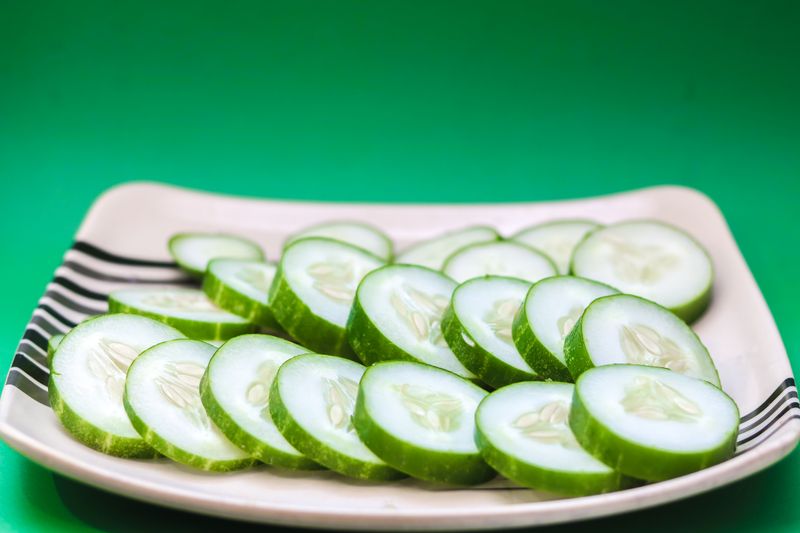
Can Babies Eat Cucumber (Pickling)?
By Sarah, founder of SowAndSpoon · Reviewed April 2026
Yes, safe from 6 months
Choking risk: low
Raw cucumbers in this variety are firm and the skin can be tough. Peel for babies under 12 months and cut lengthwise into spears, not rounds. Cooked or briefly brined cucumber is much softer and lower risk.
Not a common allergen
Babies can eat cucumber (pickling) from 6 months. Cucumbers for preserving provide hydration, vitamin K, and potassium. They have thinner skins and crisper flesh than slicing cucumbers. As baby food, serve them fresh (peeled) or briefly brined as a flavor experience for older babies.
Flavor guide
Cucumbers grown for preserving are crisper and more densely textured than slicing varieties, with thinner skins and a slightly more concentrated flavor that is less watery and marginally more bitter than standard cucumbers. When served fresh (not brined), this variety has a firm snap and holds up well as a teething stick. It pairs naturally with dill, yogurt, lemon, garlic, and soft cheeses.
How to Prepare Cucumber (Pickling) by Age
Treat the same as slicing cucumber - peel, seed, cut into spears. The smaller size means you'll have plenty to experiment with.
Serving ideas:
- -Peel and grate into warm baby rice cereal with a drizzle of olive oil for a cooling texture contrast
- -Blend peeled pickling cucumber with cooked white beans and dill for a protein-rich savory dip
- -Offer a peeled, seeded, thick spear alongside iron-fortified cereal or soft egg for a nutritionally complete snack (egg is a top allergen, introduce separately first)
Small diced pieces, peeled. Introduce with thin skin on once comfortable.
Serving ideas:
- -Peel, seed, and dice into small pieces for self-feeding alongside protein
- -Quick-brine thinly sliced rounds in rice vinegar for 10 minutes for a tangy topping on rice (small amount, introduces acidic flavors)
- -Mix diced raw cucumber into soft hummus for dipping toast strips
Fresh, pickled (low sodium), in salads, or as a dipper.
Serving ideas:
- -Serve peeled spears as a crunchy snack with hummus
- -Add thin-sliced brined rounds in tiny amounts to sandwiches for flavor complexity
- -Dice and mix into cold pasta salad or grain bowls
Common questions
Can babies eat cucumbers grown for preserving raw?
Yes. Cucumbers grown for preserving can be served raw to babies from 6 months when peeled and cut into safe shapes. They are crunchier and firmer than slicing cucumbers, so peeling is especially important for young babies. Cut lengthwise into thick spears (not rounds) for 6-8 months. From 9 months, small diced pieces work for self-feeding.
Can babies eat brined cucumbers?
Store-bought brined cucumbers are not appropriate for babies under 12 months due to their high sodium content. A brief 10-minute rice vinegar brine at home (with no added salt) is a safer way to introduce tangy flavor to babies 9 months and older, in small amounts. Wait until at least 12 months for any traditionally brined or fermented cucumbers, and even then, offer only small amounts.
Are cucumbers grown for preserving different from regular cucumbers for baby food?
These cucumbers are smaller, bumpier, and crunchier than standard slicing cucumbers. They have thinner skins but denser, crispier flesh. For baby food, the main difference is texture: they hold up better as teething sticks and have a slightly more concentrated flavor. Prep is the same: peel, seed, and cut into age-appropriate shapes.
Cucumber and White Bean Smash
From 9 monthsIngredients
- -2 small pickling cucumbers, peeled and seeded
- -1/2 cup canned white beans, drained and rinsed (no added salt)
- -1 tsp olive oil
- -1 tsp fresh dill, finely chopped
- -1 tsp fresh lemon juice
Steps
- Peel cucumbers and cut in half lengthwise. Scoop out seeds with a spoon and dice the flesh small.
- Mash white beans in a bowl with a fork until mostly smooth with some chunks remaining.
- Fold in diced cucumber, olive oil, dill, and lemon juice.
- For 9-11 months, serve on a preloaded spoon or spread on soft toast strips. The beans add protein and iron.
- For 12 months and older, serve as a dip with pita or as a filling for mini wraps.
The beans make this a real meal, not just a side. Keeps in the fridge for a day. The dill is a natural pairing with cucumber and most babies accept it easily.
Growing Cucumber (Pickling) at Home
Faster maturing than slicing cucumbers. Prolific producer. Great for families who love pickles.
Ready in ~48-55 days from planting.
Cucumbers grown for preserving are reliably high-yielding. One or two vines will produce more cucumbers than you can eat fresh, making them perfect for a first foray into home fermentation and preservation alongside baby food prep.
Per AAP and WHO guidelines, most fruits, vegetables, and herbs can be introduced from 6 months as part of complementary feeding. Always consult your pediatrician before introducing new foods, especially allergens.