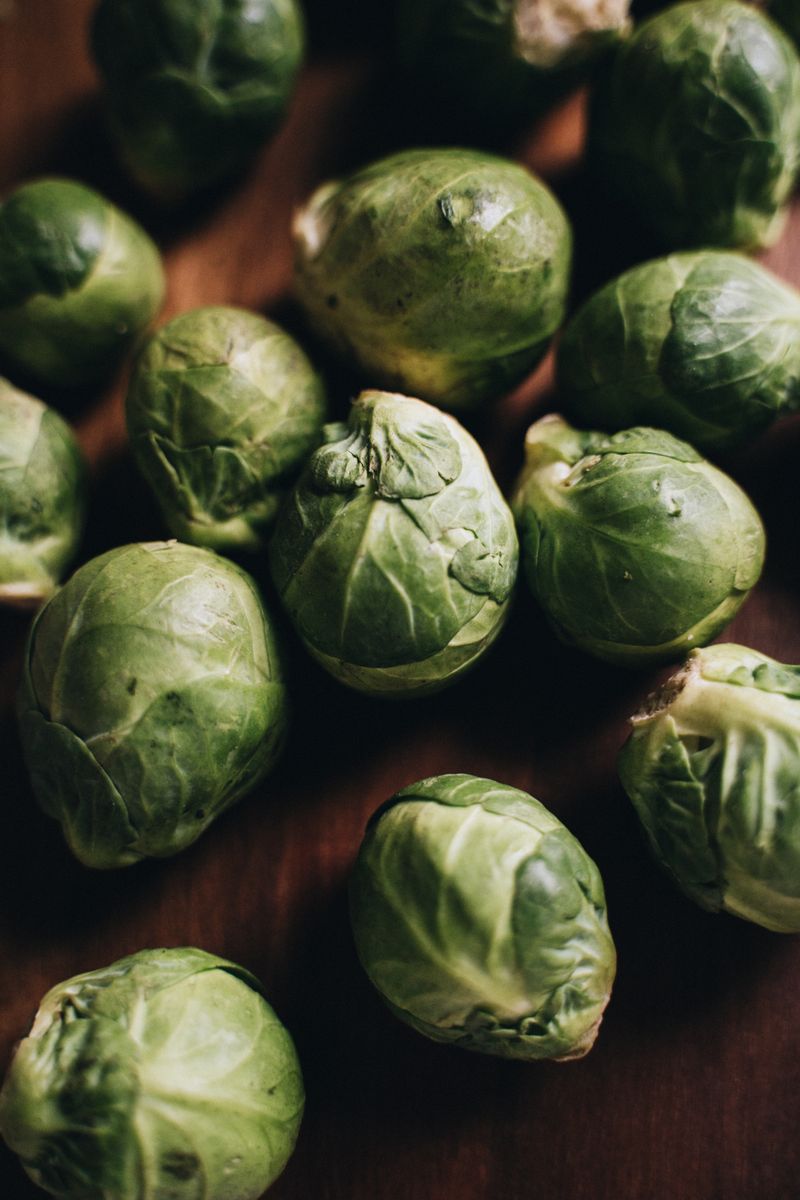
Can Babies Eat Brussels Sprouts?
By Sarah, founder of SowAndSpoon · Reviewed April 2026
Yes, safe from 6 months
Choking risk: low
A whole roasted Brussels sprout could be large enough to be a choking hazard. Always halve or quarter before serving. Cooked Brussels sprouts are very soft and low risk once cut appropriately.
Not a common allergen
Babies can eat brussels sprouts from 6 months. Brussels sprouts provide vitamin C (a single sprout has nearly a day's worth), vitamin K, folate, and fiber. They also contain glucosinolates, compounds linked to immune function. Roasting improves their flavor and reduces bitterness.
Flavor guide
Raw Brussels sprouts are dense and sharply bitter with a pungent sulfurous edge. Roasting at high heat caramelizes the cut surfaces into a sweet, nutty, slightly crispy layer while the interior becomes tender and mild. They pair naturally with butter, lemon, parmesan, apple, bacon (for adults), and balsamic vinegar.
How to Prepare Brussels Sprouts by Age
Roast until very soft or steam until leaves separate and are tender. Halve or quarter and make sure fully soft. Sweetens considerably when roasted.
Serving ideas:
- -Roast halved sprouts at 400 degrees F until deeply caramelized and very soft, then halve again into wedges for gripping
- -Steam until very soft and blend into a puree with potato and a pat of butter
- -Roast until soft, chop finely, and mix into mashed sweet potato
Halved roasted sprouts or small pieces. Great as finger food.
Serving ideas:
- -Quarter roasted sprouts for self-feeding practice
- -Shred cooked sprouts finely and stir into scrambled eggs
- -Mix chopped roasted sprouts into pasta with olive oil and parmesan
Roasted whole, shredded in salads, or halved and pan-fried.
Serving ideas:
- -Serve roasted sprout halves with a dipping sauce like yogurt or mild mustard
- -Shave thinly and saute with butter and garlic as a side
- -Add to pasta, grain bowls, or alongside any protein
Common questions
Can babies eat Brussels sprouts?
Yes. Brussels sprouts are safe for babies from 6 months old when cooked until soft and cut appropriately. They are rich in vitamin C, vitamin K, and fiber. The key safety step is to always halve or quarter before serving, as a whole sprout is large enough to block a baby's airway. Roasting is the best cooking method because it eliminates much of the bitterness.
Do Brussels sprouts cause gas in babies?
Brussels sprouts are a cruciferous vegetable and can cause gas in some babies, just as they do in adults. The gas is caused by raffinose, a complex sugar that bacteria in the gut ferment. This is normal and not harmful. Start with small portions and increase gradually. If gas seems uncomfortable, try serving Brussels sprouts alongside a starchy food like potato or rice, which can help buffer digestion.
Are Brussels sprouts a choking hazard for babies?
Whole Brussels sprouts are a choking hazard because of their round, compact shape. The fix is simple: always halve or quarter them before serving. A well-roasted Brussels sprout half is very soft on the inside and easy to gum. For babies 6-8 months, quarter roasted halves into wedge shapes for gripping. For 9 months and older, small diced pieces work well for self-feeding.
Can You Freeze Brussels Sprouts for Baby?
Trim outer leaves. Blanch halved or quartered sprouts for 4 minutes, transfer to an ice bath, drain, then freeze in a single layer before bagging.
Blanch for 4 minutes before freezing. Keeps for up to 12 months.
Batch prep tip
Roast a full sheet pan of halved Brussels sprouts, cool, and freeze in portions. Reheat from frozen in a pan or oven. Keeps 2 months (they are best fresh but freeze acceptably).
Roasted Brussels Sprouts with Butter
From 6 monthsIngredients
- -12 Brussels sprouts, trimmed and halved
- -1 tbsp olive oil
- -1 tsp unsalted butter
- -1 tsp fresh lemon juice
Steps
- Preheat oven to 425F.
- Toss halved sprouts with olive oil and spread cut-side down on a baking sheet.
- Roast for 20 to 25 minutes until cut sides are deeply golden and the centers are completely soft.
- Toss hot sprouts with butter and lemon juice.
- For 6-8 months, halve roasted sprout halves again into quarters for gripping.
- For 9 months and older, cut into small pieces.
Roasting is essential here: steamed Brussels sprouts are mushier and more bitter. The caramelized cut side is where all the flavor is.
Growing Brussels Sprouts at Home
Sweeter after frost. Long growing season - start early. Worth the wait for fall harvest.
Ready in ~90-110 days from planting.
The bitterness that adults associate with Brussels sprouts is much less pronounced in babies, who have not yet developed the same bitter sensitivity. Roasting is the key technique: it caramelizes the natural sugars and transforms the flavor completely.
Per AAP and WHO guidelines, most fruits, vegetables, and herbs can be introduced from 6 months as part of complementary feeding. Always consult your pediatrician before introducing new foods, especially allergens.