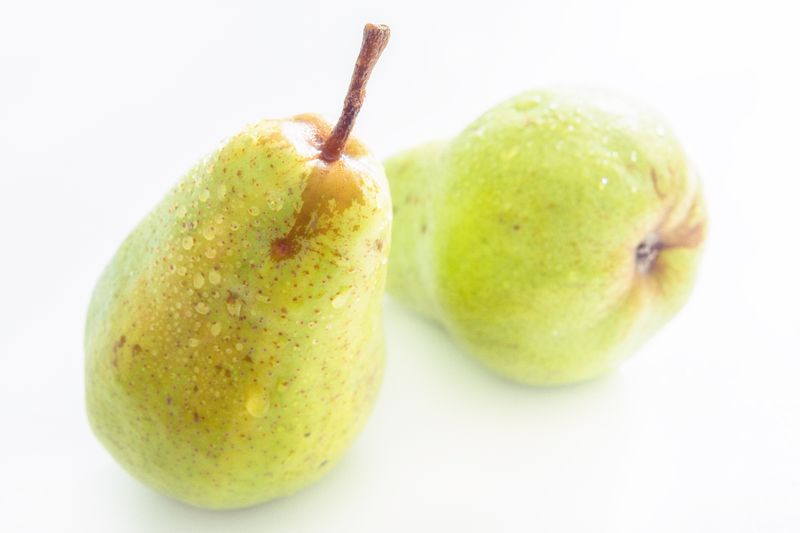
Can Babies Eat Pear?
By Sarah, founder of SowAndSpoon · Reviewed April 2026
Yes, safe from 6 months
Choking risk: low
Very ripe pear is very soft and low risk. However, underripe pear can be firm enough to be a hazard. Always check that pear flesh gives easily to gentle pressure before serving. The skin can be tough for young babies, so peel for those under 9 months.
Not a common allergen
Babies can eat pear from 6 months. Pears provide vitamin C, vitamin K, potassium, and fiber (including pectin, a prebiotic). They have a mild, sweet flavor that most babies love. Bartlett and Bosc pears are the most common garden varieties.
Flavor guide
A ripe Bartlett pear is meltingly soft and juicy with a mild, honey-sweet flavor and a delicate floral fragrance. Bosc pears are firmer and nuttier with a drier texture. Cooking either variety concentrates the sweetness and removes any grittiness, producing a smooth, neutral, easy-to-love base that blends well with stronger flavors. It pairs naturally with cinnamon, vanilla, ginger, blue cheese (for adults), spinach, butternut squash, and oats.
How to Prepare Pear by Age
Peel, core, and steam until very soft (8-10 minutes). Mash or puree. Bartlett and Bosc varieties steam to excellent consistency for babies.
Serving ideas:
- -Peel a very ripe pear, core it, and serve as thick finger-length wedges
- -Steam peeled pear with a pinch of cinnamon until very soft, then mash or blend
- -Blend ripe raw pear (peeled) with avocado or spinach for a smooth iron-boosting puree
Steam soft, then cut into finger-length spears or cubes. Very ripe Bartlett pears may be soft enough without steaming.
Serving ideas:
- -Peel and dice ripe pear into small pieces for self-feeding
- -Mix diced ripe pear into oatmeal or yogurt with a pinch of cinnamon
- -Saute diced pear in a little butter until soft and golden for a warm topping
Ripe raw pear in soft cubes or wedges. Poached pear with cinnamon. Leave peel on once baby handles texture well.
Serving ideas:
- -Serve thin pear slices (skin on for toddlers)
- -Pair with soft cheese and crackers or toast
- -Add diced pear to overnight oats or blend into a smoothie with spinach and ginger
Can You Freeze Pear for Baby?
Peel, core, and cut into chunks. Freeze on a tray, then bag. Best used in cooking, sauces, or smoothies after freezing, not ideal as fresh finger food after thawing.
Batch prep tip
Peel, core, and dice ripe pears. Steam briefly and freeze in portions, or freeze raw diced pear for smoothies. Keeps 4 months. Pear puree is an excellent base for blending with stronger-flavored vegetables like kale or beets.
Cinnamon Pear and Oat Mash
From 6 monthsIngredients
- -1 ripe pear, peeled, cored, and diced
- -3 tbsp rolled oats
- -1/2 cup water
- -Pinch of ground cinnamon
Steps
- Combine water and oats in a small saucepan. Bring to a simmer over medium heat.
- Add diced pear and cinnamon. Cook, stirring, for 5 to 7 minutes until oats are thick and creamy and pear is completely soft.
- Mash with a fork to a rough, textured porridge, or blend smooth for younger babies.
- Cool slightly before serving.
This is a filling breakfast with fiber and slow-release energy from the oats. The pear sweetens it naturally without added sugar. Oats are naturally gluten-free but often processed alongside wheat. If managing a diagnosed wheat allergy, use certified gluten-free oats.
Growing Pear at Home
One of the classic first foods, hypoallergenic and rarely causes reactions. Softer varieties (Bartlett, D'Anjou, Comice) cook down easily. Most varieties require two trees for cross-pollination. Harvest when the neck yields to gentle thumb pressure, not when visually ripe.
Ready in ~120-180 days from planting.
Pear trees are worth planting in a family garden: long-lived, disease-resistant, and they produce abundantly. A single mature Bartlett can produce hundreds of pounds of fruit in a good year.
Per AAP and WHO guidelines, most fruits, vegetables, and herbs can be introduced from 6 months as part of complementary feeding. Always consult your pediatrician before introducing new foods, especially allergens.