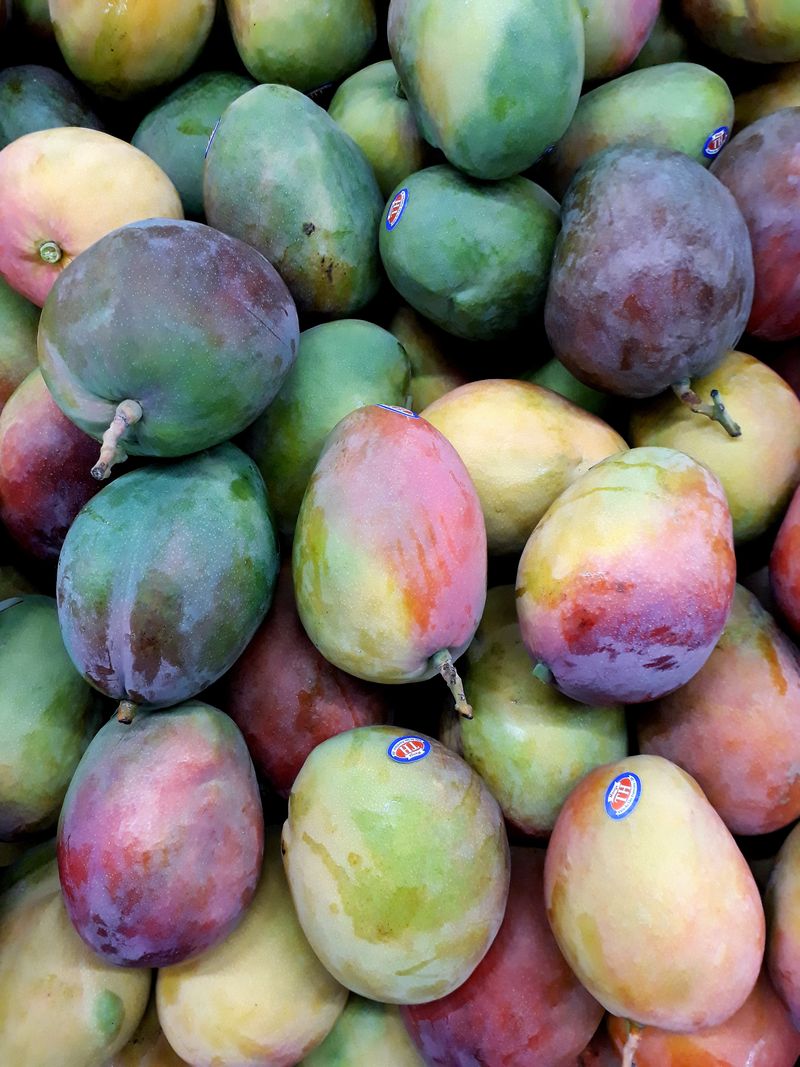
Can Babies Eat Mango?
By Sarah, founder of SowAndSpoon · Reviewed April 2026
Yes, safe from 6 months
Choking risk: low
Ripe mango flesh is soft and low risk. The main hazard is the fibrous strings near the pit. Use the "hedgehog" cut method and check for fibers before serving. Avoid the very fibrous tissue close to the pit. Unripe mango is too firm for young babies.
Not a common allergen
Babies can eat mango from 6 months. Mango is high in vitamin C, vitamin A (beta-carotene), folate, and fiber. The vitamin C content significantly boosts iron absorption from other foods eaten in the same meal.
Flavor guide
Ripe mango has an intensely sweet, floral, tropical flavor with notes of peach and citrus and a smooth, creamy flesh that is nearly fiber-free when ripe. Unripe mango is much firmer and sharply tart with no sweetness. The flavor remains essentially the same whether fresh or frozen (thawed), making frozen mango a reliable year-round option. It pairs naturally with yogurt, lime, banana, avocado, coconut, black beans, and chili.
How to Prepare Mango by Age
Peel, remove pit. Slice along the flat sides of the pit into thick finger-length spears. Ripe mango is very slippery, offering a spear with a thin strip of peel attached on one side helps with grip.
Serving ideas:
- -Score a ripe mango cheek into a grid and scoop out thick cubes for easy gripping
- -Blend very ripe mango into a smooth puree and mix with avocado or sweet potato
- -Mash ripe mango flesh and stir into full-fat yogurt for a tropical twist
Small cubes from very ripe mango. Roll in hemp seeds or baby oatmeal if too slippery. Great for pincer grip practice.
Serving ideas:
- -Dice mango into chickpea-sized cubes for pincer grasp practice
- -Mix diced mango into yogurt or cottage cheese
- -Blend frozen mango with banana and a splash of whole milk for a creamy smoothie
Any preparation, smoothies, lassi, salsas, or alongside fish and chicken.
Serving ideas:
- -Serve mango slices or cubes as a standalone snack
- -Make a simple mango salsa (mango, lime, cilantro) to serve alongside fish or chicken
- -Blend into smoothies or freeze in molds for mango popsicles
Can You Freeze Mango for Baby?
Peel, cut off the pit, cube the flesh. Freeze on a tray, then bag. Frozen mango is excellent in smoothies and keeps its natural sweetness. Thaw and serve as soft pieces for 9+ month babies.
Batch prep tip
Peel and dice ripe mangoes, freeze flat on a baking sheet, then bag. Use directly from frozen in smoothies, thaw for mixing into yogurt, or blend from frozen into purees. Keeps 6 months.
Mango and Lentil Puree
From 6 monthsIngredients
- -1/4 cup red lentils, rinsed
- -3/4 cup water
- -1/2 cup ripe mango flesh, diced (fresh or thawed frozen)
- -1/4 tsp ground cumin
Steps
- Combine lentils and water in a small saucepan. Bring to a boil, then reduce heat and simmer for 18 to 20 minutes until lentils are very soft and most water is absorbed.
- Add mango and cumin to the lentils. Cook for 2 more minutes, stirring, until mango is warmed through.
- Blend until smooth, adding a splash of water if needed to reach a spoonable consistency.
- For 6-8 months, serve smooth on a preloaded spoon. For 9 months and older, leave slightly textured.
The vitamin C in mango significantly boosts iron absorption from the lentils, making this combination nutritionally ideal for early solids.
Growing Mango at Home
Mango is related to poison ivy, some children with skin sensitivities react to the skin (not the flesh). Always peel fully before serving. The flesh is safe from 6 months. Grows as a tree in USDA zones 10-12; dwarf container varieties are possible in colder zones with overwintering indoors.
Ready in ~100-150 days from planting.
Mango is a top source of vitamin C, which dramatically increases iron absorption from plant foods in the same meal. Pair mango with iron-rich foods like lentils, beans, or fortified oatmeal for a nutritional upgrade.
Per AAP and WHO guidelines, most fruits, vegetables, and herbs can be introduced from 6 months as part of complementary feeding. Always consult your pediatrician before introducing new foods, especially allergens.