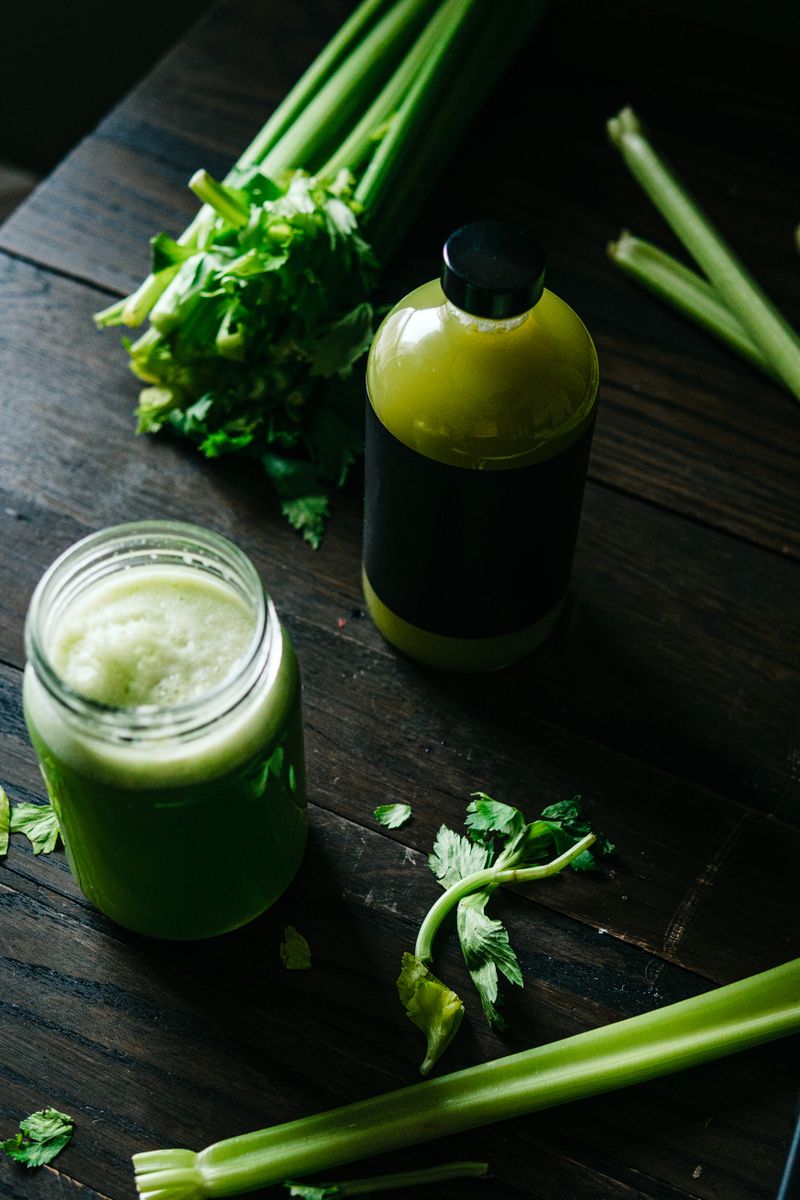
Can Babies Eat Celery?
By Sarah, founder of SowAndSpoon · Reviewed April 2026
Yes, safe from 12 months
Choking risk: high
Raw celery is a high-risk choking food for babies due to its hard, fibrous, and stringy texture. Never serve raw celery to babies under 12 months. Always cook until the fibers are completely soft and remove strings before serving. Even cooked, cut into small pieces.
Not a common allergen
Babies can eat celery from 12 months. Celery provides vitamin K, folate, potassium, and vitamin C. It is also high in antioxidants and anti-inflammatory compounds. The leaves contain even more nutrients than the stalks and are often discarded unnecessarily.
Flavor guide
Raw celery is crisp and fibrous with a sharp, grassy, faintly bitter flavor and a high water content that makes it refreshing but texturally risky for babies. Cooking transforms it completely: braised or sauteed celery becomes silky and mild, its bitterness fading into a gentle, savory-sweet base note. It pairs naturally with potato, carrot, onion, apple, parsley, lemon, and mild broths.
How to Prepare Celery by Age
Thin raw strips as a dipper (safe now with supervision), cooked in soups and stews, finely diced in dishes.
Serving ideas:
- -Grate raw celery finely into nut butter for dipping with soft crackers or bread (raw celery sticks are a choking hazard until 2 to 3 years)
- -Add to soups, stews, and stir-fries
- -Use raw stalks as edible spoons for thick dips once chewing is well established
Celery and Potato Soup
From 12 monthsIngredients
- -3 celery stalks, strings removed, thinly sliced
- -2 medium Yukon Gold potatoes, peeled and diced
- -1 tbsp unsalted butter
- -2 cups unsalted vegetable or chicken broth
- -1 tbsp fresh parsley, chopped
Steps
- Melt butter in a medium saucepan over medium heat. Add celery and cook for 8 to 10 minutes, stirring occasionally, until very soft with no remaining crunch.
- Add potato and broth. Bring to a boil, then reduce heat and simmer for 15 minutes until potato is completely tender.
- Remove from heat. Add parsley and use an immersion blender to blend until smooth.
- For 12 months and older, serve as a soup with small pieces of soft bread for dipping.
- Check consistency and add a splash of water if needed to thin.
Celery must be cooked until completely soft with no fibrous strings remaining before serving to babies. Freeze soup in portions for up to 2 months.
Growing Celery at Home
Raw celery sticks are a choking hazard under 12 months due to stringy texture. Always supervise. Long growing season.
Ready in ~85-120 days from planting.
Celery leaves are often more flavorful than the stalks and are completely safe cooked. Do not throw them away. They are excellent chopped into soups and sauces where they add concentrated celery flavor without the fibrous texture risk.
Per AAP and WHO guidelines, most fruits, vegetables, and herbs can be introduced from 6 months as part of complementary feeding. Always consult your pediatrician before introducing new foods, especially allergens. This food requires extra care with preparation due to choking risk.